Journey
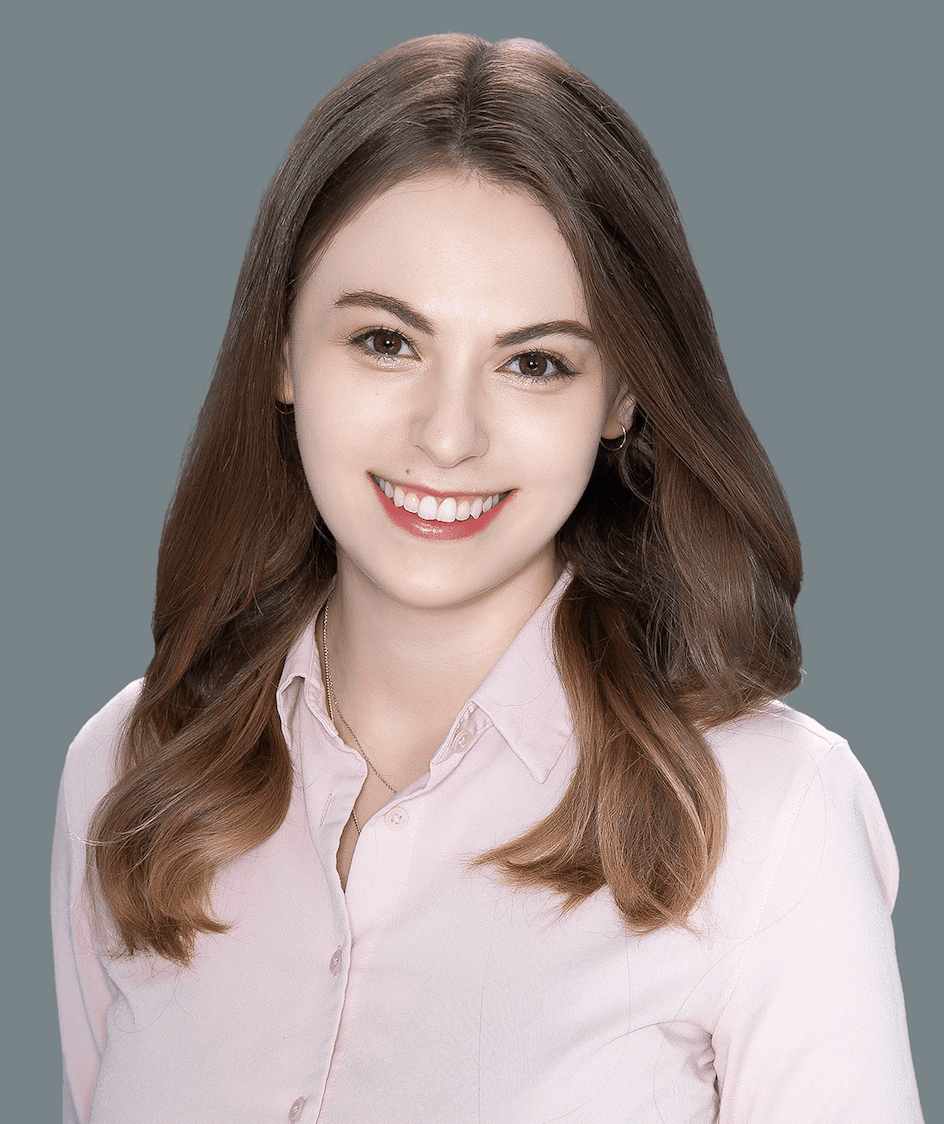
Much like Seoul and many other 대도시, Kyiv is divided in two by a large river called Dnipro. As a child, I spent the summers swimming in one of Dnipro River’s tributaries, farming my own raspberries, and reading American literature translated into Russian with my 친할머니.
When I turned 18, I graduated from my international school, left for America and began my undergraduate studies at UC Berkeley, Haas School of Business.
After graduation, I moved to San Francisco, worked in Valuation, and did my grocery shopping at KP Asian Market.
After joining a small real estate private equity team, the little time I spent not working, I would daydream about taking a year off to pursue my hobby of studying Korean. As a Global Korea Scholarship recipient, I got to do exactly that at Yonsei, the most renowned 어학당 in Korea.
At this point in the story, I meet Frank and start another chapter at Laplace.
Philosophy
Before AI, venture capital firms didn’t know where the next paradigm shift was. Cloud, mobile, and SaaS were mature, saturated, and exhausted. Also, venture capital’s reliable playbook that has worked for 50 years was no longer raking in big wins. Thankfully, AI flipped the narrative, and now it is up to VCs to figure out what will work and what will scale. A good company solves problems of the future. That is even more true for biotech, where time to market can easily span a decade. The intersection between biotech and AI is Laplace’s sweet spot.
In the new era of venture, small, specialized investors that have the capability to take wild bets are the ones winning 100x-300x returns. Big venture funds are too big to be personal and too structurally constrained to make the bold bets. This is reason #1 why Laplace is a winner.
Reason #2 is that venture is also the only asset class where the recipient of the capital actually cares where the money comes from. Exceptional founders love to pick their investors, and investors love to work with Frank.